How to Choose the Right Bowling Ball Weight and GripChoosing the correct bowling ball weight and grip is one of the most important decisions you can make as a bowler. The wrong weight or grip can cause inconsistency, discomfort, reduced power, and even injury, while the right combination can dramatically improve your accuracy, hook, and overall enjoyment of the game.In this complete buyer’s guide, we explain how to choose the right ball weight, the different grip styles, how to determine the best fit for your hand, and practical tips to help you make the smartest choice.Why Ball Weight and Grip Are Critical
Your bowling ball is the only piece of equipment that directly touches the lane. The weight affects how much force you can generate, while the grip determines how cleanly you release the ball. Getting these two factors right helps you:
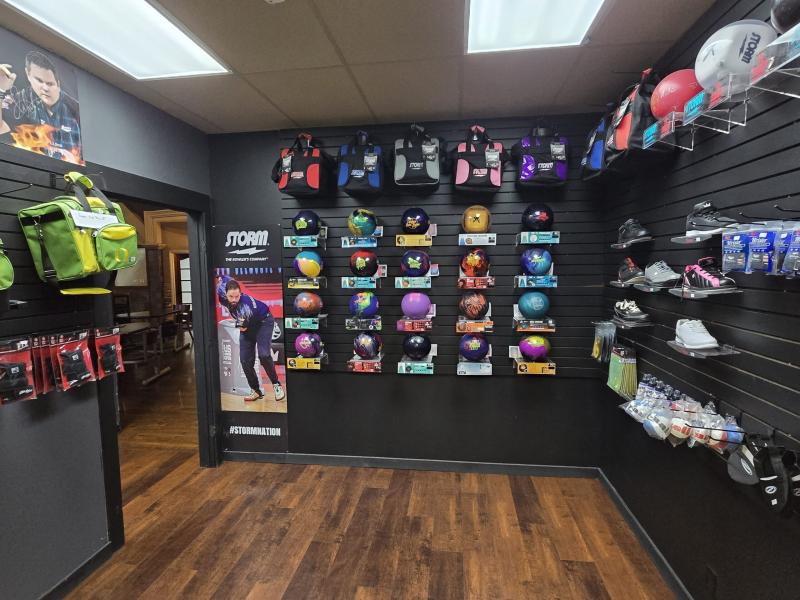
You can find a good selection of bowling balls with different weights and grip options by browsing our Bowling Balls category.Practical Tips for Choosing Weight and Grip
Focus on comfort and consistency first. A slightly lighter ball with a good grip will usually produce better scores and less strain than a heavier ball with a poor fit.Disclaimer
The information in this buyer’s guide is for educational and informational purposes only. It is not intended to replace professional fitting or coaching. Always consult with a certified bowling pro shop or coach for personalized advice on ball weight and grip. Individual results may vary. Choose equipment carefully and listen to your body to avoid injury.Ready to Find the Right Bowling Ball Weight and Grip?
Browse our Bowling Balls category today for a wide selection of balls in different weights and grip styles. We focus on linking you to the best current deals from trusted retailers so you can bowl comfortably and consistently.
Your bowling ball is the only piece of equipment that directly touches the lane. The weight affects how much force you can generate, while the grip determines how cleanly you release the ball. Getting these two factors right helps you:
- Develop a consistent, repeatable motion
- Generate proper rev rate and hook
- Reduce strain on your wrist, fingers, and shoulder
- Improve accuracy and pin carry
- Adult men: Most start comfortably with 14–16 lb balls.
- Adult women: Most start comfortably with 12–14 lb balls.
- Teens and younger bowlers: Usually 10–13 lb depending on strength and size.
- Seniors: Often benefit from 1–3 lb lighter than their previous weight to reduce joint stress.
- The ball should feel comfortable to swing — not too heavy or straining on your arm or shoulder.
- You should be able to hold it comfortably for several seconds without shaking.
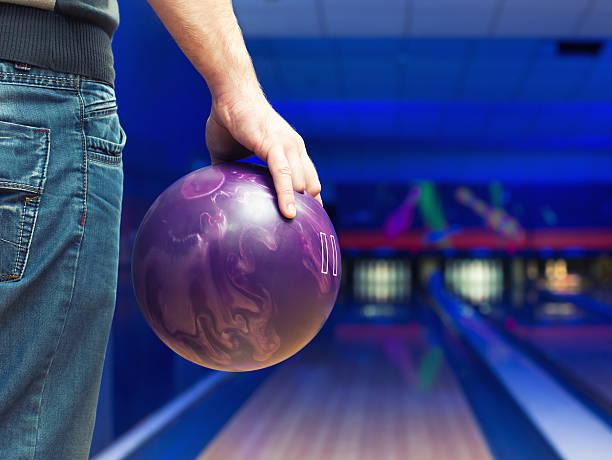
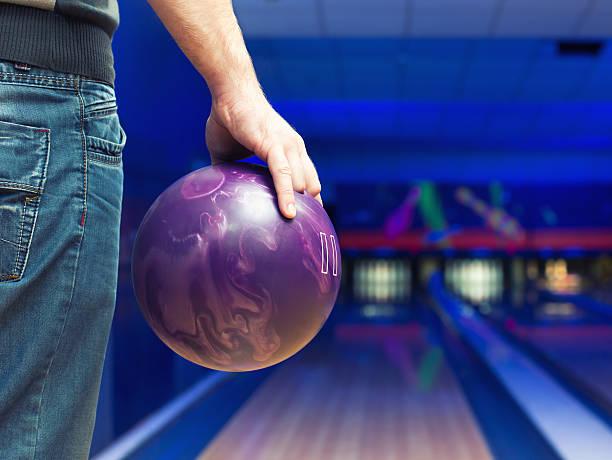
- A good test: Hold the ball in your bowling hand with your arm extended. If you can hold it steady for 5–10 seconds, the weight is likely appropriate.
- Conventional Grip
Fingers inserted to the second knuckle. Most common for beginners and casual bowlers. Offers good control and is easier on the fingers. - Fingertip Grip
Fingers inserted only to the first knuckle. Used by most advanced and competitive bowlers. Allows for more wrist action and higher rev rates. - Semi-Fingertip Grip
A middle ground between conventional and fingertip. Good transition option for improving players.
- Beginners should almost always start with a conventional grip.
- Once your form is consistent and you want more hook and power, consider switching to fingertip grip.
- A professional fitting at a pro shop is highly recommended — they measure your hand span, finger length, and pitch to create the perfect fit.
You can find a good selection of bowling balls with different weights and grip options by browsing our Bowling Balls category.Practical Tips for Choosing Weight and Grip
- Start lighter and gradually increase weight as your strength and technique improve.
- Always get fitted for grip — even a small difference in span can greatly affect comfort and consistency.
- Consider your bowling style: straighter players often do well with conventional grip; hook players usually prefer fingertip.
- Test before buying — many pro shops let you try different weights and grips.
- Choosing a ball that is too heavy too soon
- Using the wrong grip for your skill level
- Ignoring professional fitting
- Sticking with an uncomfortable setup because “that’s what I’ve always used”
Focus on comfort and consistency first. A slightly lighter ball with a good grip will usually produce better scores and less strain than a heavier ball with a poor fit.Disclaimer
The information in this buyer’s guide is for educational and informational purposes only. It is not intended to replace professional fitting or coaching. Always consult with a certified bowling pro shop or coach for personalized advice on ball weight and grip. Individual results may vary. Choose equipment carefully and listen to your body to avoid injury.Ready to Find the Right Bowling Ball Weight and Grip?
Browse our Bowling Balls category today for a wide selection of balls in different weights and grip styles. We focus on linking you to the best current deals from trusted retailers so you can bowl comfortably and consistently.
For support and questions: support@bigbowlingstore.com